Understanding erectile dysfunction
Erectile dysfunction (ED) means repeatedly having difficulty achieving or keeping an erection firm enough for sexual activity. Occasional difficulties are common and do not necessarily point to a long-term condition. When symptoms persist, however, they deserve proper attention rather than guesswork.
ED is rarely caused by a single factor. Vascular, metabolic, hormonal, neurological, medication-related and psychological contributors can all play a part, sometimes in combination. ED can also be connected to broader cardiovascular or metabolic health, which is one reason a specialist assessment can be valuable beyond sexual function itself.
Dr. Osamah approaches ED as a medical concern to be understood, not a problem to be rushed. Consultations are private, respectful and focused on your individual situation.
Symptoms
- Persistent or recurring difficulty achieving an erection
- Difficulty maintaining an erection during sexual activity
- Reduced erection firmness compared with what is normal for you
- Changes in sexual function that cause concern or distress
- Erectile difficulties occurring alongside reduced desire, pain or curvature
Possible causes
Several factors can affect the blood flow, nerve signals and hormonal balance that normal erections depend on:
- Circulation and cardiovascular risk factors, such as high blood pressure, raised cholesterol and smoking
- Diabetes, which can affect both blood vessels and nerves
- Hormonal changes, including low testosterone in some men, although low testosterone is not the cause of every case (see low testosterone)
- Medication effects, including certain blood pressure treatments and antidepressants
- Stress, anxiety, low mood and relationship factors, which can cause or worsen symptoms
- Lifestyle factors, such as poor sleep, inactivity, excess alcohol and weight gain
- Nerve or pelvic conditions, including previous pelvic surgery or injury
- Structural changes, such as Peyronie’s disease
You can read more in our article on common causes of erectile dysfunction.
Assessment
A clear assessment is the foundation of appropriate treatment. Your consultation may include:
- A confidential medical and sexual history, including when symptoms began and how they affect you
- A review of current medications, health conditions and lifestyle factors
- A focused physical examination, including blood pressure
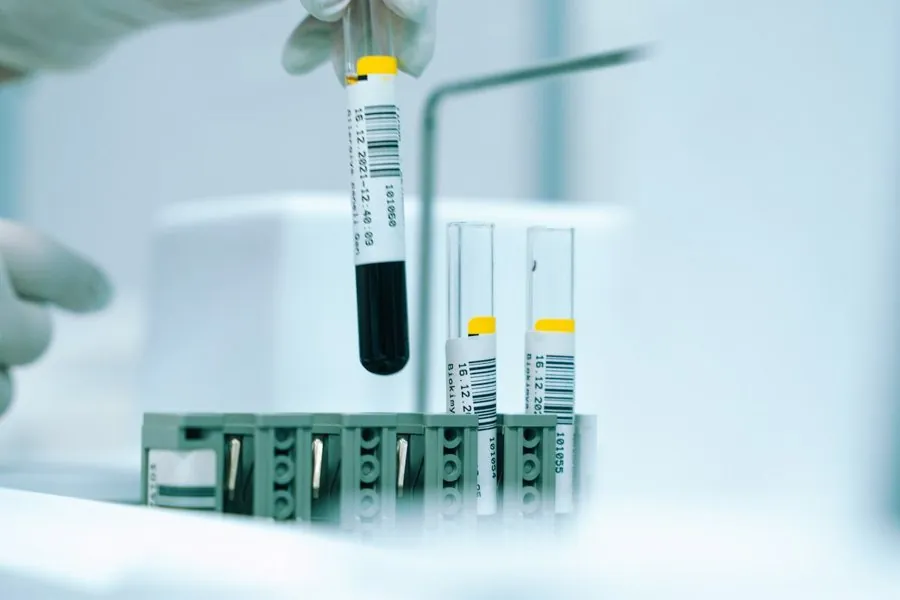
- Targeted blood tests when indicated, such as glucose, lipids or hormone levels
- Further specialized tests only when clinically appropriate, rather than as a fixed package
Treatment options
Treatment is chosen through shared decision-making. There is no single approach that suits everyone, and the right plan depends on the likely causes, your medical history, any contraindications and your personal goals.
- Lifestyle and risk-factor optimization: addressing blood pressure, glucose control, smoking, alcohol, activity and sleep can support general health and may help erectile function.
- Psychological support: counseling or psychosexual therapy can be helpful when stress, anxiety or relationship factors are involved.
- Prescription medicines: oral medicines are commonly used first-line options for many men when they are suitable and safe to take.
- Vacuum devices and injections: these may be considered for selected patients, including those who cannot take or do not benefit from oral medicines.
- Low-intensity shockwave therapy: may be considered for selected men whose ED is related to blood flow. It is not a cure, responses vary, and suitability is assessed individually after a full evaluation.
- Surgical options: surgical treatments exist for selected men whose ED persists despite less invasive approaches; where relevant, these are discussed with you and a referral is arranged as appropriate.
Some treatments, including PRP and other regenerative injections, are widely marketed but are not established cures. Dr. Osamah will explain which options are supported by current evidence for your situation. For an overview of approaches, see erectile dysfunction treatment options.
ED medicines must never be combined with nitrate medications because of potentially dangerous effects on blood pressure. Do not stop or change prescribed medication without speaking to the doctor who prescribed it. An erection lasting more than four hours, or sudden severe genital pain, requires urgent medical care.
Frequently asked questions
Is ED treatable?
Many men have effective options, but the most suitable approach depends on the underlying causes, your overall health and your treatment goals. A specialist assessment helps clarify which options are appropriate and realistic for you.
What tests might be needed?
Many men need only a history, examination and a small number of blood tests, such as glucose, lipids or hormone levels. Additional investigations are considered only when your history or examination suggests they would be useful.
Could ED indicate another health problem?
Sometimes. Because erections depend on healthy blood vessels and nerves, ED can be associated with cardiovascular risk factors, diabetes or hormonal changes. Assessment can help identify issues that may benefit your general health as well.
When is surgery considered?
Surgery is generally discussed only for selected men whose symptoms persist despite less invasive treatments, or in specific situations such as significant penile curvature. Potential benefits, risks and alternatives are discussed in detail before any decision.
Is my consultation confidential?
Yes. Consultations are conducted privately and your medical information is handled in line with patient privacy and data-protection requirements.