Who it may help
Azoospermia means that no sperm are identified in the ejaculate after appropriate laboratory assessment. It can be obstructive, where sperm are produced but cannot travel out, or non-obstructive, where sperm production within the testes is severely reduced. These categories need different evaluation and management.
Micro-TESE is designed for men in the second group. It may be considered when:
- Repeated semen analyses, including centrifuged samples, show no sperm
- Assessment points to non-obstructive azoospermia rather than a blockage
- A couple wishes to pursue biological parenthood through assisted reproduction
- Previous conventional sperm retrieval did not find sperm, in selected cases
It is not the right approach for every man with azoospermia, and for obstructive causes other sperm retrieval approaches are often more suitable. You can read more about the condition on our male infertility page.
Assessment before treatment
Careful preparation helps confirm the diagnosis and clarify whether Micro-TESE is appropriate. Assessment is individualized and may include:
- A detailed medical, surgical and reproductive history, including treatments such as chemotherapy
- Focused examination of the testes and reproductive tract
- Hormone testing
- Genetic testing when indicated, which can affect counseling and planning
- Scrotal ultrasound in selected cases
- Coordination with the partner’s fertility specialist on timing and laboratory arrangements
In some men, a hormonal or medical factor may be addressed before surgery is considered.
The procedure / approach
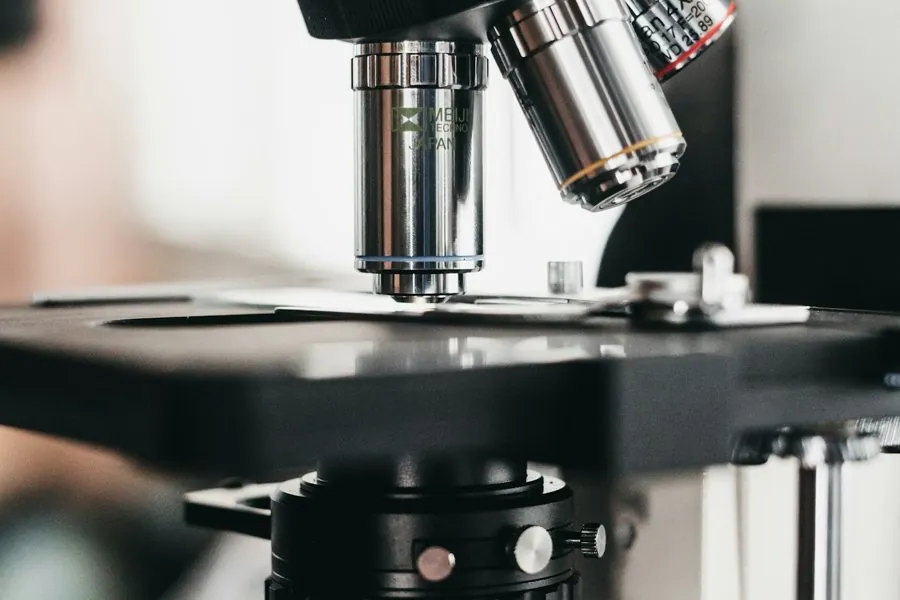
Micro-TESE is performed under an operating microscope. Through a small incision in the scrotum, the testis is opened and the tissue is examined at high magnification. The aim is to identify small areas where sperm production may still be taking place, so that only selected tissue is removed rather than larger random samples.
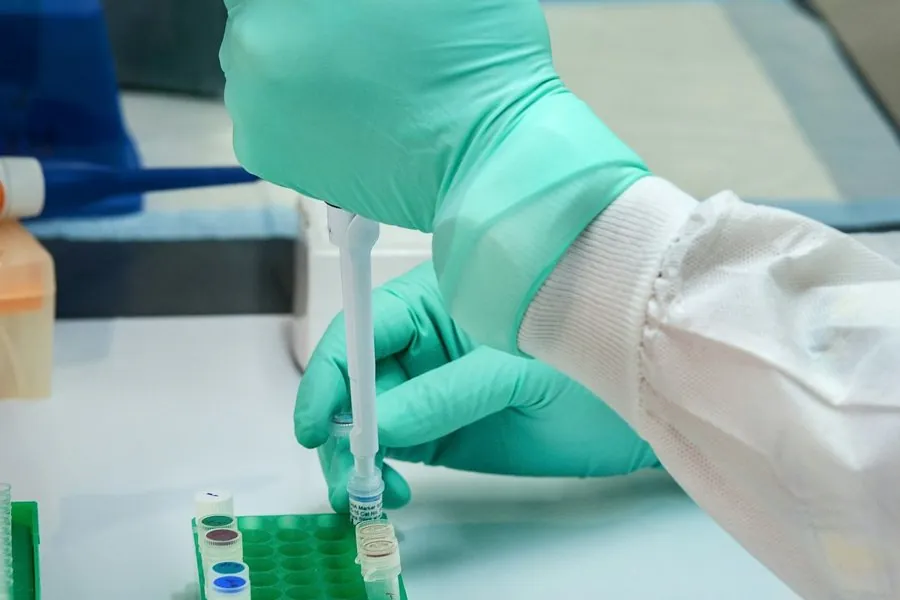
Tissue is passed to an embryology laboratory, where specialists examine it for sperm. If viable sperm are found, they may be used for intracytoplasmic sperm injection (ICSI) as part of IVF, either on the same day or after freezing, depending on the plan agreed with the fertility team.
The procedure is performed at the clinic or, for selected procedures, at an affiliated hospital. The type of anesthesia is discussed with you beforehand: most procedures in Dr. Osamah’s practice are performed under local anesthesia at the clinic, while selected procedures take place at affiliated hospitals with sedation. Embryology support is provided in coordination with your chosen IVF centre or a licensed embryology laboratory.
Sperm retrieval is not guaranteed. Even with careful microsurgical technique, sperm may not be found, and the chance of retrieval varies with the underlying cause and other clinical factors. Dr. Osamah will discuss what happens if no sperm are retrieved, including the alternative options available, before you decide on surgery.
Benefits and limitations
Benefits may include:
- A targeted search for sperm-producing areas using magnification
- Removal of smaller amounts of tissue compared with non-targeted biopsies
- The possibility of biological parenthood through ICSI for selected couples
Limitations to consider:
- Retrieval is not possible for every man, and results cannot be predicted with certainty
- Retrieved sperm still require IVF/ICSI, and pregnancy depends on both partners’ fertility
- Cost, timing and laboratory coordination need careful planning
Possible risks
As with any surgery, Micro-TESE carries risks. These may include:
- Bleeding or bruising, including a collection of blood in the scrotum
- Infection of the wound or scrotum
- Pain or discomfort during recovery
- Temporary or, less commonly, longer-term effects on testicular hormone production
- Risks related to anesthesia
Your individual risk profile will be reviewed during consultation.
Recovery and follow-up
Discharge and aftercare arrangements depend on the setting and your individual circumstances, and are explained to you before the procedure. Scrotal support, cold packs and simple pain relief are commonly advised for the first days. Strenuous activity, heavy lifting and sexual activity are usually paused for a period recommended by your surgeon.
Follow-up includes a wound review, discussion of the laboratory findings and, in selected patients, later hormone checks.
Frequently asked questions
Does Micro-TESE guarantee that sperm will be found?
No. Sperm retrieval is not guaranteed. The likelihood varies with the cause of azoospermia, hormonal and genetic findings, and other clinical factors, which Dr. Osamah will discuss with you before any decision.
Is Micro-TESE the same as IVF?
No. Micro-TESE is a sperm retrieval procedure. If sperm are found, they are used with IVF/ICSI, which is carried out by the fertility team for the female partner. Learn more in our article What Is Micro-TESE?.
Can retrieved sperm be frozen?
In many cases, sperm found during Micro-TESE can be cryopreserved for future ICSI cycles, depending on the quantity and quality found and the laboratory’s protocols. See also fertility preservation.
How should I prepare for my first consultation?
Bring previous semen analyses, hormone and genetic test results, and any reports from past surgery or fertility treatment. If possible, attend with your partner so that the plan can reflect your shared goals.