Understanding low testosterone
Testosterone plays a role in sexual desire, energy, muscle and bone health, mood and sperm production. Low testosterone, also called testosterone deficiency or hypogonadism, is diagnosed when a man has compatible symptoms together with consistently low testosterone levels on properly timed blood tests.
Many symptoms linked to low testosterone are nonspecific. Tiredness, low mood or reduced desire can have several other explanations, including poor sleep, stress, weight changes and other medical conditions. For this reason, a specialist assessment aims to confirm the diagnosis and understand the cause before any treatment is considered.
Symptoms
- Reduced sexual desire
- Fewer spontaneous or morning erections
- Erectile difficulties, which may or may not be hormone-related
- Persistent fatigue or reduced energy
- Reduced muscle mass or strength
- Changes in mood or concentration
- Fertility concerns or reduced semen volume
Having one or more of these symptoms does not necessarily mean testosterone is low. Erectile dysfunction in particular commonly occurs with normal testosterone levels; our article on low testosterone vs. erectile dysfunction explains the difference.
Possible causes
- Conditions affecting the testes, such as previous injury, infection, surgery or certain genetic conditions
- Conditions affecting the pituitary gland or the hormonal signals that stimulate the testes
- Obesity, metabolic conditions and type 2 diabetes
- Certain medications, and previous or current use of anabolic steroids
- Chronic illness, poor sleep and significant stress
- Age-related changes in some men
Evaluation and morning testing
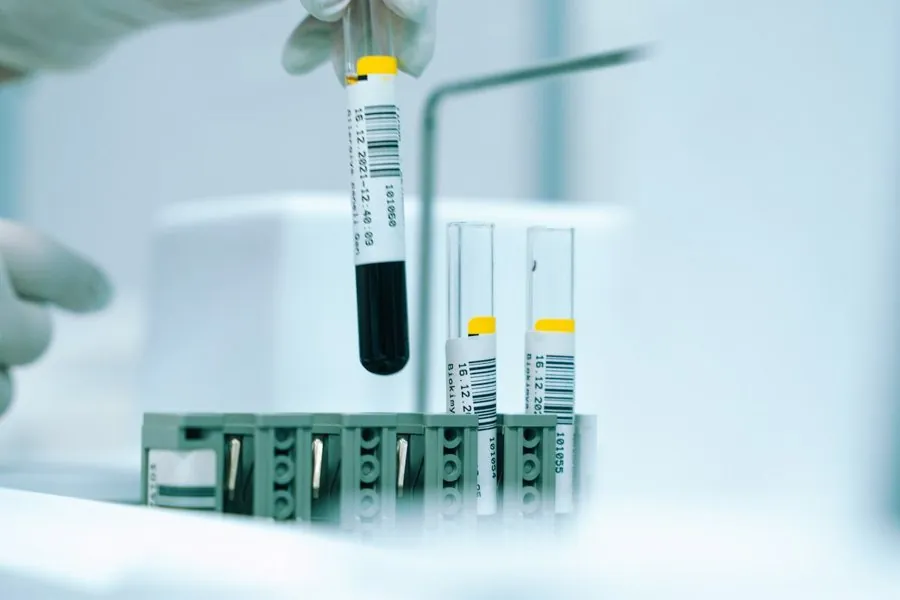
Because testosterone levels naturally vary through the day, testing is usually performed in the morning, when levels are typically highest. A low result is generally confirmed with a repeat morning test before a diagnosis is made.
Your assessment may include:
- A detailed history of symptoms, medications, supplements and fertility plans
- A focused physical examination
- Morning testosterone testing, repeated to confirm a low result
- Additional hormone tests, such as LH and FSH, to help identify whether the cause lies in the testes or the pituitary
- Other blood tests or investigations when clinically appropriate
Laboratory results are always interpreted alongside your symptoms and overall health.
Treatment options
Treatment is guided by the confirmed diagnosis, the underlying cause, your symptoms and your personal priorities, especially whether you plan to have children now or in the future.
- Addressing contributing factors: improving sleep, weight, activity and the management of related conditions may support hormonal health.
- Reviewing medications: some medicines and supplements may affect hormone levels and can be reviewed with your prescribing doctor.
- Testosterone therapy: may be considered for men with confirmed testosterone deficiency and suitable symptoms, after discussion of potential benefits, risks and monitoring.
- Fertility-preserving approaches: for men who wish to conceive now or in the future, options that aim to protect fertility can be discussed where clinically appropriate.
Any hormonal treatment requires regular follow-up and monitoring. Testosterone is not a universal treatment for erectile dysfunction or general tiredness.
Testosterone therapy, including injections, gels and anabolic steroids, can suppress sperm production and may reduce fertility. If you are trying to conceive, or may wish to in the future, discuss this before starting any hormonal treatment. If you are concerned about fertility, a male infertility evaluation may be helpful.
Frequently asked questions
Why does testosterone need to be tested in the morning?
Testosterone levels vary during the day and are usually highest in the morning. Morning testing, repeated to confirm a low result, gives a more reliable picture and helps avoid an incorrect diagnosis.
Can testosterone treatment affect fertility?
Yes. External testosterone can suppress the signals that drive sperm production, which may reduce fertility. Men who are trying to conceive, or may wish to in the future, should discuss fertility-preserving options before any treatment.
Is low testosterone the cause of my erectile dysfunction?
Not necessarily. Erectile dysfunction often occurs with normal testosterone, and circulation, nerves, medications and psychological factors are frequently involved. Assessment helps identify the relevant causes in your case.
Should I take testosterone supplements or boosters?
It is best to seek assessment before taking any hormonal product or supplement. Some products contain substances that can affect hormone balance or fertility, and symptoms may have another underlying cause.