
Understanding erectile dysfunction
Erectile dysfunction (ED) means repeatedly having difficulty achieving or maintaining an erection firm enough for sexual activity. Occasional difficulties are common and do not necessarily indicate a long-term condition. Persistent symptoms, however, can be a reason to seek medical assessment. ED is not always an isolated sexual concern; it can sometimes be associated with broader cardiovascular or metabolic health.
1. Blood vessel and circulation problems
An erection depends on adequate blood flow. High blood pressure, atherosclerosis, smoking, and other vascular risk factors may affect the blood vessels involved. New or persistent ED can justify a review of cardiovascular risk factors.
2. Diabetes
Diabetes can affect blood vessels and nerves, both of which contribute to normal erectile function. Glucose control and assessment for other risk factors may form part of a comprehensive management plan.
3. Hormonal changes
Low testosterone may contribute to reduced sexual desire and sometimes erectile symptoms, but it is not the cause of every case of ED. Diagnosis requires compatible symptoms and appropriately timed, repeated laboratory testing where indicated.
4. Medication effects
Some medications, including certain blood pressure treatments and antidepressants, can affect sexual function. Never stop prescribed medication without speaking with the clinician who prescribed it.
5. Stress, anxiety, and relationship factors
Performance anxiety, depression, chronic stress, and relationship difficulties can cause or worsen erectile difficulties. Physical and psychological factors frequently overlap.
6. Lifestyle and sleep
Smoking, excessive alcohol use, physical inactivity, poor sleep, and obesity may contribute. Lifestyle improvements can support general health and sometimes erectile function.
7. Nerve or pelvic conditions
Pelvic surgery, neurological disorders, and certain injuries can disrupt the nerves involved in erections. The medical history helps determine whether further investigation is appropriate.
How is ED evaluated?
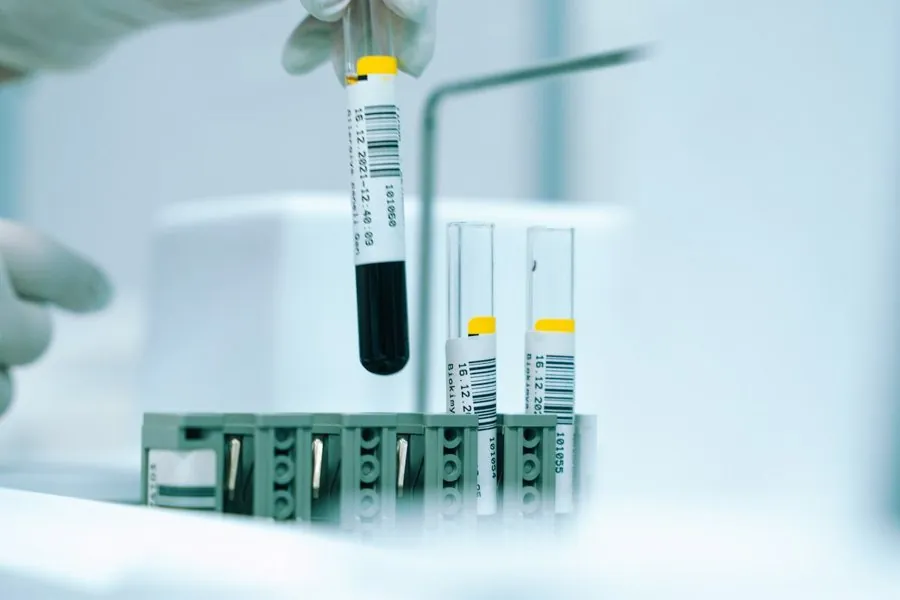
A consultation may include symptom history, medication review, blood pressure assessment, focused examination, and selected blood tests. Additional testing is considered when clinically appropriate rather than performed for every patient.
When should you see a specialist?
Seek assessment when erection difficulties recur, cause distress, or occur alongside reduced libido, pain, or other symptoms. Sudden severe genital pain or an erection lasting more than four hours requires urgent medical care.
Frequently asked questions
Is ED always caused by low testosterone?
No. Vascular, neurological, psychological, medication-related, and other causes are common.
Can ED be treated?
Many patients have effective options, but the right approach depends on the cause, medical history, and treatment goals.
When should I see a specialist about erection difficulties?
Seek assessment when erection difficulties recur, cause distress, or occur alongside reduced libido, pain, or other symptoms. Sudden severe genital pain or an erection lasting more than four hours requires urgent medical care.
This article is general educational information and does not replace personalized medical advice, diagnosis or treatment.