
When to start investigating
Many couples begin evaluation after 12 months of regular unprotected intercourse without pregnancy. Earlier assessment may be appropriate when the female partner is 35 or older, when there is a known reproductive condition, or when time is an important factor.
Reasons to seek earlier assessment
A history of undescended testes, testicular surgery, chemotherapy, major genital injury, known hormonal problems, prior abnormal semen analysis, or sexual and ejaculation difficulties can justify earlier discussion.
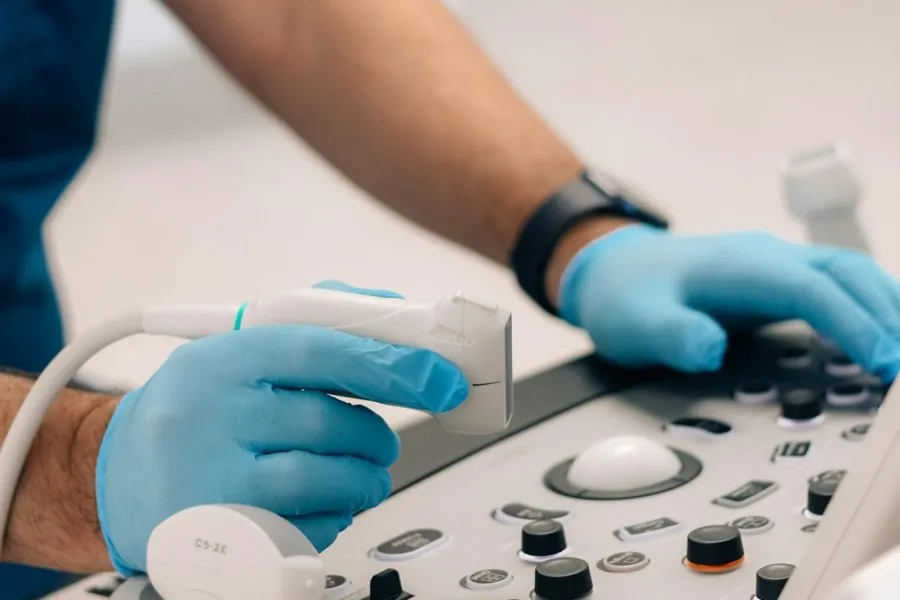
What happens at the appointment?
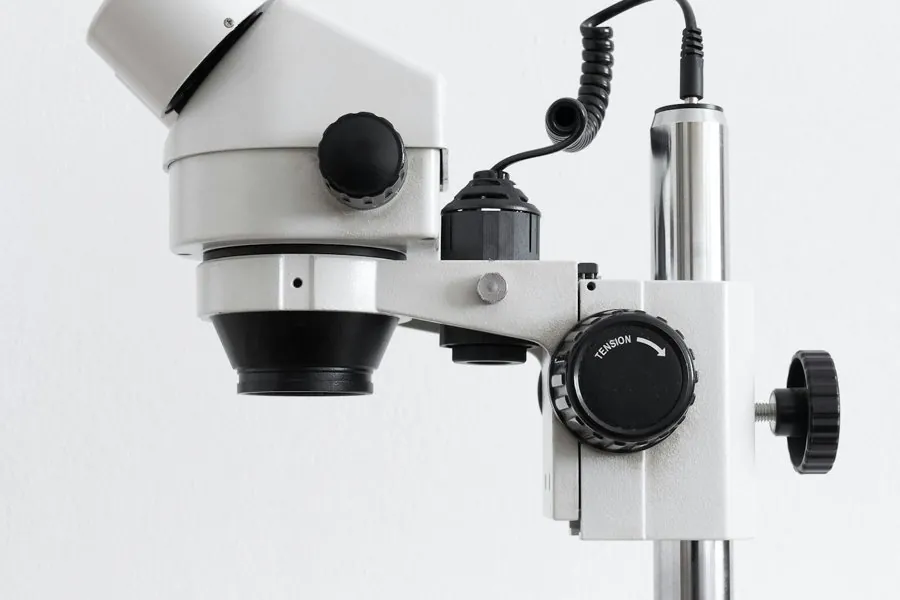
The specialist may ask about reproductive history, medications, exposures, previous illnesses, and family history. A focused examination and semen analysis are often central to the initial male fertility assessment.
What happens after testing?
Results are interpreted alongside the partner’s evaluation. Some findings warrant repeat testing or more specialized investigation. The plan may involve medical management, surgery in selected cases, or assisted reproduction.
Why early assessment matters
Early investigation can identify treatable conditions, help set realistic expectations, and allow couples to make informed decisions without unnecessary delay.
Frequently asked questions
Should both partners be evaluated?
Often yes. Fertility is a shared reproductive concern.
Is semen analysis painful?
No. It involves providing a semen sample according to laboratory instructions.
When might evaluation start before 12 months?
Earlier assessment may be appropriate when the female partner is 35 or older, when there is a known reproductive condition, or when time is an important factor.
This article is general educational information and does not replace personalized medical advice, diagnosis or treatment.