
Male fertility deserves its own evaluation
Difficulty conceiving is not exclusively a female reproductive issue. Male factors can contribute alone or together with female factors. Couples are commonly advised to seek assessment after 12 months of regular unprotected intercourse, or sooner when the female partner is 35 or older or when known risk factors exist. Learn more about male infertility assessment.
Common causes
Potential causes include abnormal sperm production, varicocele, hormonal disorders, genetic conditions, reproductive tract obstruction, prior infections, medication effects, and some lifestyle or environmental factors. Sometimes no clear cause is identified.
Semen analysis
Semen analysis typically assesses sperm concentration, movement, morphology, and other parameters. Results vary, and an abnormal result often needs confirmation and interpretation in clinical context. A single number does not by itself determine fertility.
Further tests
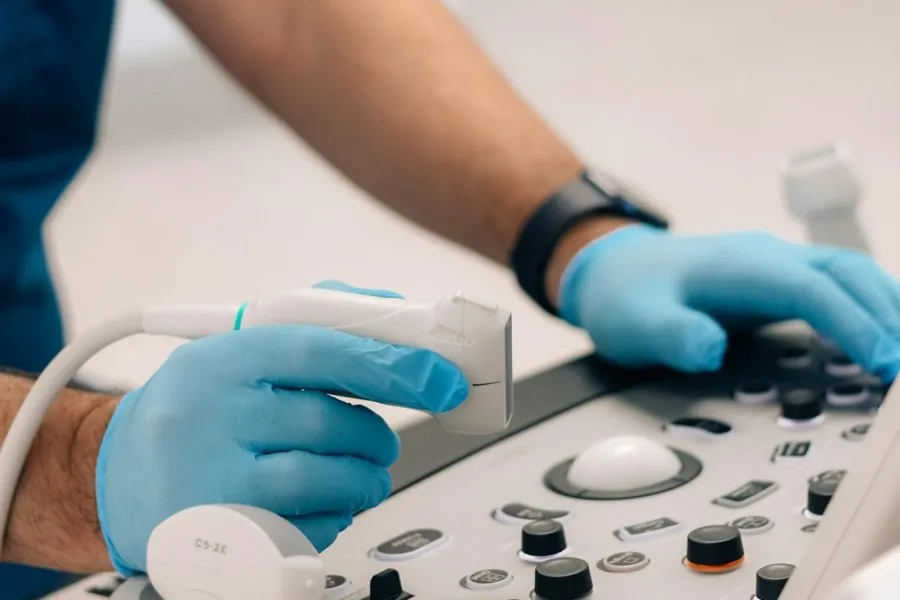
Depending on findings, a clinician may recommend examination, hormone testing, genetic investigations, or ultrasound. Testing should be individualized rather than ordered as a fixed package.
Treatment options
Treatment may involve addressing a reversible cause, reviewing medications and lifestyle factors, treating a clinically significant varicocele in selected cases, or using assisted reproductive techniques. Sperm retrieval may be considered in particular forms of azoospermia.
A shared treatment plan
The male and female partners may both need evaluation. Treatment decisions should reflect the couple’s goals, timeline, available evidence, and potential risks.
Frequently asked questions
Can a man have infertility with normal sexual function?
Yes. Erections and ejaculation do not guarantee normal sperm production or fertility.
Does an abnormal semen test mean pregnancy is impossible?
No. It signals a need for careful interpretation and, often, further assessment.
When should a couple seek a fertility assessment?
Couples are commonly advised to seek assessment after 12 months of regular unprotected intercourse, or sooner when the female partner is 35 or older or when known risk factors exist.
This article is general educational information and does not replace personalized medical advice, diagnosis or treatment.