Two different clinical questions
Low testosterone, sometimes called testosterone deficiency, refers to a hormonal condition diagnosed using symptoms and consistently low laboratory values. Erectile dysfunction describes difficulty achieving or maintaining erections. A man can have one, both, or neither.
Symptoms of testosterone deficiency
Possible symptoms include reduced sexual desire, fewer spontaneous erections, fatigue, reduced muscle mass, and other changes. Many symptoms are nonspecific and can have alternative explanations. Learn more about low testosterone.
Symptoms of ED
The defining feature is difficulty with erection firmness or duration. Vascular, medication-related, psychological, and neurological factors may be involved even when testosterone is normal. Learn more about erectile dysfunction.
How testing works
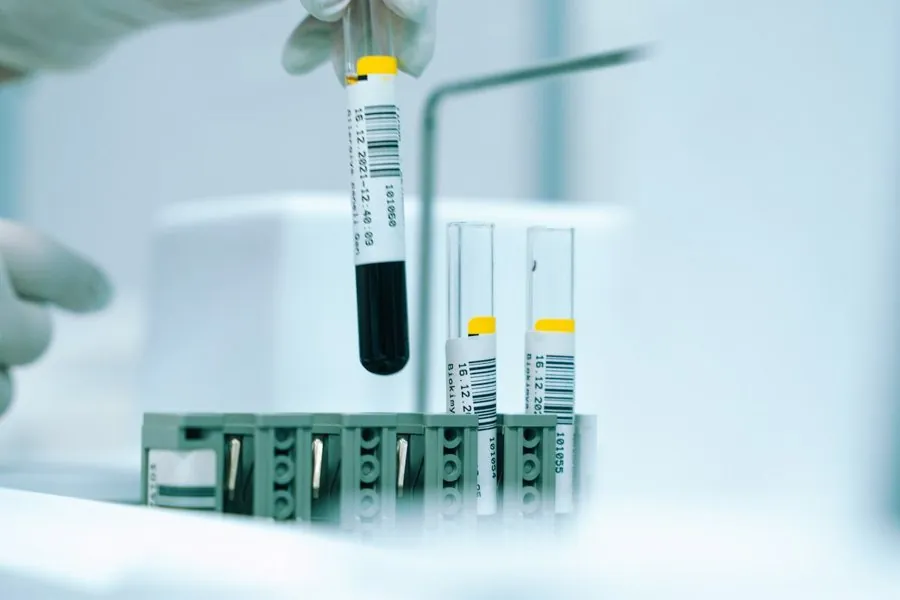
When clinically indicated, testosterone is usually measured in the morning and confirmed with a repeat test. Further hormonal tests may help identify the cause. Laboratory interpretation depends on clinical context.
Why fertility goals matter
Exogenous testosterone can suppress sperm production and may be unsuitable for men trying to conceive. Patients should discuss future fertility before starting hormonal therapy. See also male infertility.
Choosing treatment
Treatment focuses on the confirmed diagnosis, overall health, symptoms, and personal priorities. Testosterone is not a universal treatment for ED.
Frequently asked questions
Can testosterone treatment reduce fertility?
Yes. External testosterone can suppress sperm production.
Can ED happen with normal testosterone?
Yes, and it is common.
Is testosterone a treatment for every case of ED?
No. Testosterone is not a universal treatment for ED; treatment focuses on the confirmed diagnosis, overall health, symptoms, and personal priorities.
This article is general educational information and does not replace personalized medical advice, diagnosis or treatment.