Understanding chronic testicular pain
Persistent or recurrent scrotal pain can affect daily life and may have several causes. These include previous surgery, inflammation, varicocele, nerve-related pain, pelvic floor problems, and referred pain from nearby structures.
Urgent warning signs
Sudden severe testicular pain, especially with swelling, nausea, or vomiting, is an emergency because testicular torsion must be ruled out quickly. Fever with severe pain or rapidly worsening swelling also needs urgent assessment.
Sudden severe testicular pain, especially with swelling, nausea, or vomiting, is an emergency. Seek immediate emergency care.
How a urologist evaluates pain
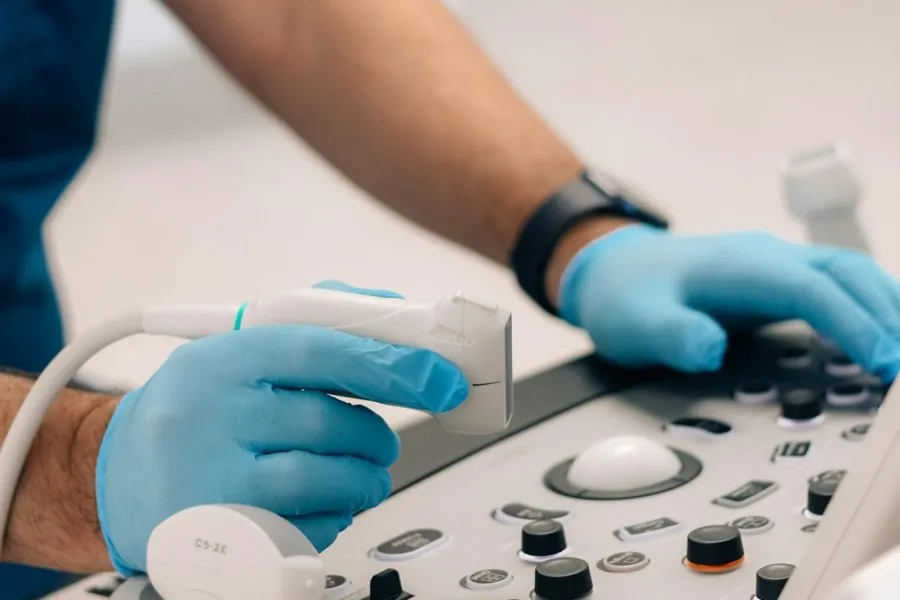
A clinician reviews timing, triggers, prior procedures, urinary symptoms, and examination findings. Urine testing or ultrasound may be used when indicated.
Treatment approaches
Management depends on the cause and may include medication, pelvic floor therapy, supportive measures, or targeted procedures in carefully selected cases. Some chronic pain remains difficult to explain and requires a multidisciplinary approach.
Why not self-diagnose?
Symptoms can overlap across different conditions. A proper assessment helps identify urgent issues and avoids unnecessary treatment.
Frequently asked questions
Is all testicular pain an emergency?
No, but sudden severe pain needs immediate emergency assessment.
Can chronic pain be treated?
Many patients have management options, though results depend on the underlying cause.
What tests might be used to assess testicular pain?
Alongside the history and examination, urine testing or ultrasound may be used when indicated.
This article is general educational information and does not replace personalized medical advice, diagnosis or treatment.