Who it may help
Surgical sperm retrieval may be considered for men who have no sperm, or extremely few usable sperm, in the ejaculate. Situations include:
- Obstructive azoospermia: sperm are produced but cannot pass out, for example after vasectomy, infection, previous surgery or congenital absence of the vas deferens
- Non-obstructive azoospermia: sperm production in the testes is severely reduced
- Ejaculation problems where sperm cannot be collected in the usual way and other measures have not helped
- Selected men with very poor sperm quality, after discussion with the fertility team
Understanding which situation applies is central, because the cause guides both the choice of procedure and the expectations. More background is available on our male infertility page.
Assessment before treatment
Before recommending a procedure, Dr. Osamah aims to clarify the cause of the problem. Assessment may include:
- A detailed history, including previous surgery, infections, medications and general health
- Focused examination of the testes, epididymis and vas deferens
- Repeated semen analysis, which may include a check for sperm in urine after ejaculation in selected cases
- Hormone tests and, when indicated, genetic testing
- Scrotal or transrectal ultrasound in selected patients
- Coordination with the partner’s fertility specialist on timing, so that retrieval fits the IVF cycle or sperm are frozen in advance
The procedure / approach
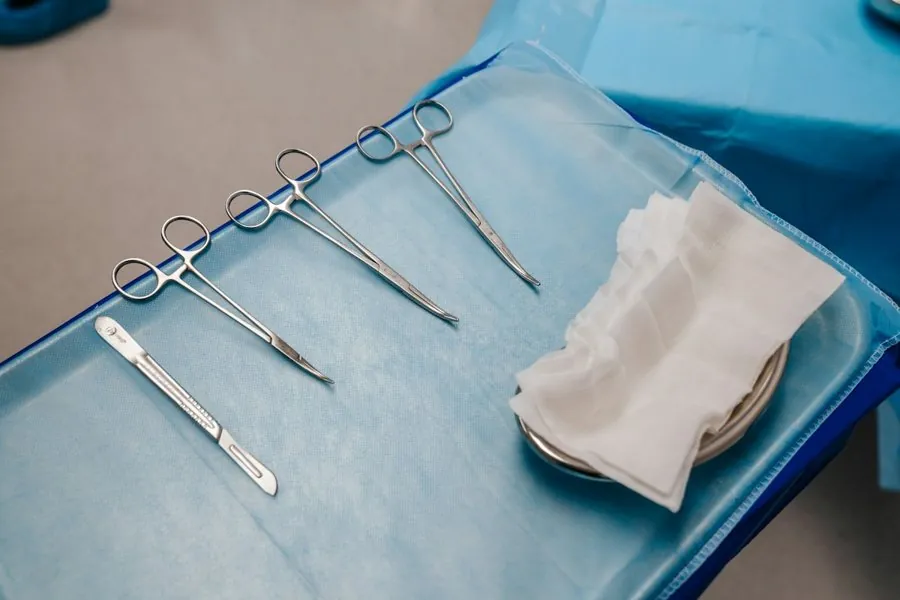
Several surgical approaches are used. The choice depends on the cause of azoospermia, earlier findings and the plan agreed with the IVF centre:
- PESA (percutaneous epididymal sperm aspiration): a fine needle is used to draw fluid from the epididymis. It may be suitable in selected obstructive cases.
- MESA (microsurgical epididymal sperm aspiration): the epididymis is opened under a microscope to collect sperm, which may allow larger numbers to be retrieved and frozen in obstructive cases.
- TESA / TESE (testicular sperm aspiration or extraction): sperm are obtained from testicular tissue by needle or through a small incision.
- Micro-TESE: a microsurgical search for sperm-producing areas in the testis, generally used for non-obstructive azoospermia.
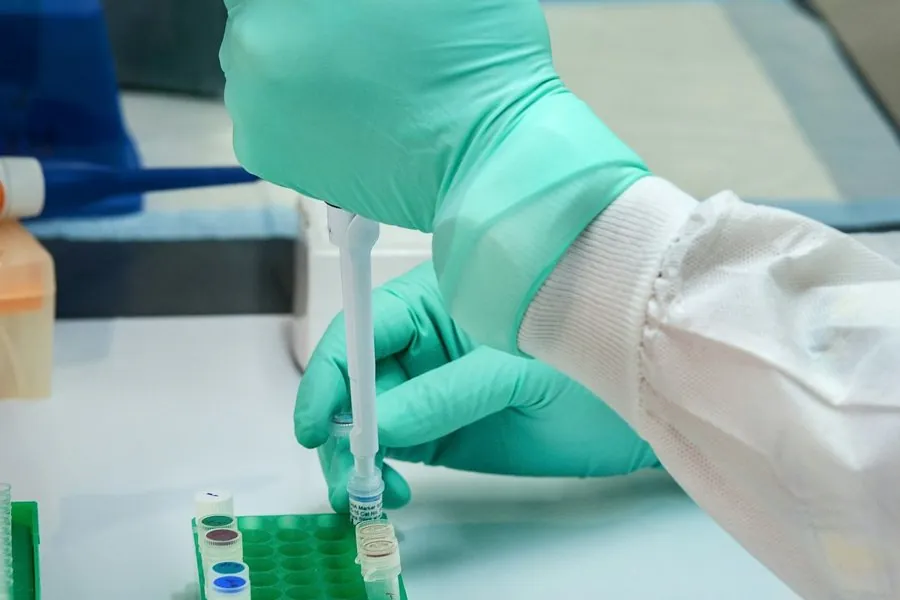
Retrieved tissue or fluid is examined by an embryology laboratory. Usable sperm may be used for ICSI on the day or frozen for future cycles. Procedures are performed at the clinic or, for selected procedures, at an affiliated hospital, in coordination with your chosen IVF centre or a licensed embryology laboratory. The type of anesthesia is discussed with you beforehand: most procedures in Dr. Osamah’s practice are performed under local anesthesia at the clinic, while selected procedures take place at affiliated hospitals with sedation.
Sperm retrieval is not guaranteed, and finding sperm does not guarantee pregnancy. The likelihood of retrieval differs considerably between obstructive and non-obstructive causes. Dr. Osamah will discuss realistic expectations and what happens if no sperm are found before you proceed.
Benefits and limitations
Potential benefits:
- The possibility of biological parenthood for men with no sperm in the ejaculate
- Sperm can often be frozen for future ICSI cycles, which may reduce the need for repeat procedures
- Procedure choice can be tailored to the cause and to the IVF timeline
Limitations:
- Retrieved sperm require IVF/ICSI, which involves treatment for the female partner
- Outcomes depend on sperm availability, embryology and the female partner’s fertility
- In some men, especially with non-obstructive causes, no sperm are found
Possible risks
Risks vary with the procedure and may include:
- Pain, bruising or swelling
- Bleeding, including a collection of blood in the scrotum
- Infection
- Scarring that may affect future procedures
- With testicular procedures, possible effects on hormone production in some men
- Risks related to anesthesia or sedation
Recovery and follow-up
Recovery is usually quicker after needle-based procedures and slightly longer after open or microsurgical ones. Discharge and aftercare arrangements are explained to you before the procedure. Scrotal support, cold packs and simple pain relief are commonly advised, and strenuous activity is paused for a short period.
Dr. Osamah reviews the laboratory findings with you and liaises with the fertility team about the next stage of treatment.
Frequently asked questions
Which sperm retrieval procedure is right for me?
It depends mainly on whether azoospermia is obstructive or non-obstructive, your previous findings and the plan agreed with your IVF centre. Dr. Osamah explains the reasons for the recommended approach.
Is sperm retrieval timed with my partner’s IVF cycle?
It can be performed on or near the egg collection day, or in advance with sperm frozen for later use. The choice is coordinated with the fertility team.
Is sperm retrieval an alternative to vasectomy reversal?
For some couples, yes. Retrieval with IVF/ICSI may be preferred when there are additional fertility factors or time constraints. See our vasectomy reversal page to compare.
What happens if no sperm are found?
Dr. Osamah will discuss this possibility beforehand. Depending on the situation, options may include further assessment, a different approach or other family-building paths.